

The shift nobody warned you about
In the last 18 months, a quiet shift has re-drawn how billions of people find information. AI answer engines like ChatGPT, Perplexity and Gemini now handle over 800 million queries a day. Many of those queries — especially high-intent, research-heavy ones — never touch a Google results page.
For most brands, this is invisible until it isn't. Traffic reports look flat, then they start slipping, and by the time leadership notices, competitors already own the AI answer for the questions your customers ask.
The uncomfortable truth: Google's ten blue links used to be the funnel. Now, half the funnel happens inside a chat interface that never sends the click. If you're not in that answer, you're not in that decision.
What Generative Engine Optimization actually is
GEO is the practice of structuring your content, citations and site architecture so AI systems select you as their source when generating an answer. It borrows from SEO — but the ranking signals are different.
The three big levers: authoritative structured content, machine-readable citations (schema, hreflang, canonical), and repeated appearances across the corpora these engines train on (industry publications, Wikipedia, Reddit, YouTube).
Where classic SEO optimizes for a click, GEO optimizes for a citation. A citation is worth more than a click when the buyer is doing research — because the AI hands them your name, your credibility and your point of view before they ever click anything.
A practical framework for GEO
Start with the questions. Interview 20 customers and 5 sales calls; write down every question they ask. These are the queries buyers will type into AI engines.
Then write one canonical answer per question — clean H2/H3 structure, a direct answer in the first 60 words, a short table or list, and 2-3 citations to authoritative sources. Add FAQ schema. Add author schema. Publish once, update every 90 days.
Layer in off-site presence: a Reddit thread that references the answer, a YouTube explainer with the same title, a guest post on a domain the engines already trust. Repetition across surfaces is what compounds citation share.
What it looks like when it works
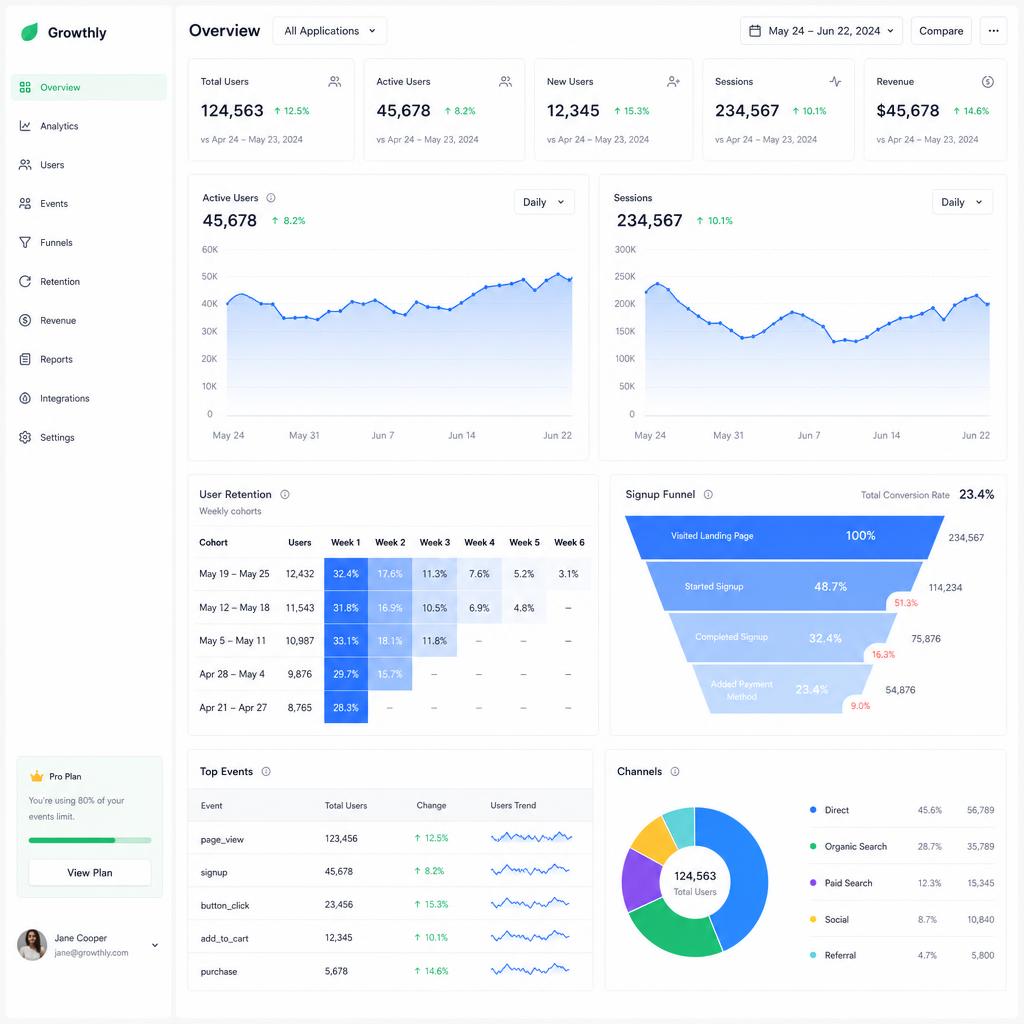
Within 4-6 months of a GEO program, we typically see brand mentions in AI answers rise 6-10x, referral traffic from Perplexity and ChatGPT grow into the top 10 sources, and — importantly — Google organic traffic accelerate, because the same content is naturally EEAT-heavy.
The compounding effect matters most. Once an engine cites you three or four times for a topic, you become a defended source. Displacing you gets harder every month, which is exactly the moat SEO used to build a decade ago — before it stopped compounding.
How to start this quarter
Pick your ten highest-intent buyer questions. Write one exceptional answer per question. Add schema. Distribute on two off-site surfaces per answer. Measure citation share weekly with Profound or a manual audit. Iterate.
That's the whole playbook. It's boring, it's methodical, and it's how you own the next decade of search — no matter which interface the buyer chooses.
How we validate this in real client work
At Rankzio, we treat every ai seo recommendation as a hypothesis until the market proves it. Before a client commits budget, we review analytics, search behaviour, conversion paths, CRM notes, creative history and sales objections. That evidence tells us whether the problem is demand, trust, speed, message-market fit, distribution or measurement. The distinction matters. A brand with a tracking problem does not need more content yet; a brand with weak authority does not need another landing-page redesign first. The correct sequence is what protects budget and builds trust.
The senior review is practical rather than ceremonial. A strategist checks the business logic, a specialist checks the channel assumptions, and an editor checks whether the argument is clear enough for a busy founder to act on. If the idea cannot survive those three reviews, it does not become a client recommendation. This is the EEAT standard we use internally: experience from real campaigns, expertise from people who operate the channels, authority from documented evidence, and trust from explaining the trade-offs without hiding behind jargon.

What teams should do next
Start with a focused audit instead of a broad brainstorm. Pick one page, one funnel, one campaign, or one content cluster and ask three questions: what is the buyer trying to decide, what proof are we giving them, and where does the measurement become unreliable? Most growth problems become easier once those answers are visible. The next step is usually not a bigger plan; it is a cleaner signal. Clean signal lets you choose the next experiment with confidence.
Then build a 30-day operating rhythm. Assign one owner, define one success metric, document every change, and review progress weekly. The brands that win are rarely the ones with the most complicated dashboards. They are the ones that make fewer, better decisions and repeat them consistently. Whether you are applying this article to SEO, ads, content, social or automation, the principle is the same: make the work measurable, make the owner clear, and make the learning visible enough that the next decision gets easier.
Common mistakes to avoid
The first mistake is copying a tactic without copying the context that made it work. A competitor's content cadence, ad format, chatbot flow or website structure may look attractive, but their audience, price point, proof, brand awareness and sales cycle may be completely different. Borrow the principle, not the surface pattern. In our audits, the expensive failures usually come from teams imitating the visible output while ignoring the invisible operating system underneath it.
The second mistake is judging too early. Many worthwhile systems need enough impressions, crawls, conversations or conversions before the signal is useful. That does not mean waiting blindly. It means setting a fair test window, agreeing on leading indicators, and changing direction only when the evidence is strong. Good growth work is decisive, but it is not impulsive. The goal is to learn faster than competitors without letting noise masquerade as insight.
Is GEO replacing SEO?+
No. GEO extends SEO. The same authoritative, structured content that ranks in Google is what AI engines cite — you're doubling the surface area of a single content investment.
How long until GEO shows results?+
AI engines re-index far faster than Google. We usually see brand mentions inside answers within 4–8 weeks of a serious GEO program, and stable citation share within a quarter.
Do I need to publish on Reddit and YouTube?+
Yes if you want to be cited. Third-party surfaces are heavily weighted in the corpora these engines pull from. A pure owned-media strategy under-indexes badly.
Can I measure GEO?+
Yes. Tools like Profound and Peec track your citation share in ChatGPT, Perplexity and Gemini. Pair that with referral traffic from those domains in GA4 for a full picture.
Turn the insight into a growth system.
Rankzio can audit your current setup and map the fastest path from this playbook to measurable revenue.
Book a strategy call